
Find the Recycling Partners of Jamaica cage, collection centre or depot nearest to you, wherever you are on the island, to drop off your PET (1) and HDPE (2) plastic bottles. Jamaica, let's put plastic in its place!
Every plastic container carries a small recycling triangle with a number inside it. Recycling Partners of Jamaica collects PET (1) and HDPE (2). If it's a 1 or a 2, we want it.
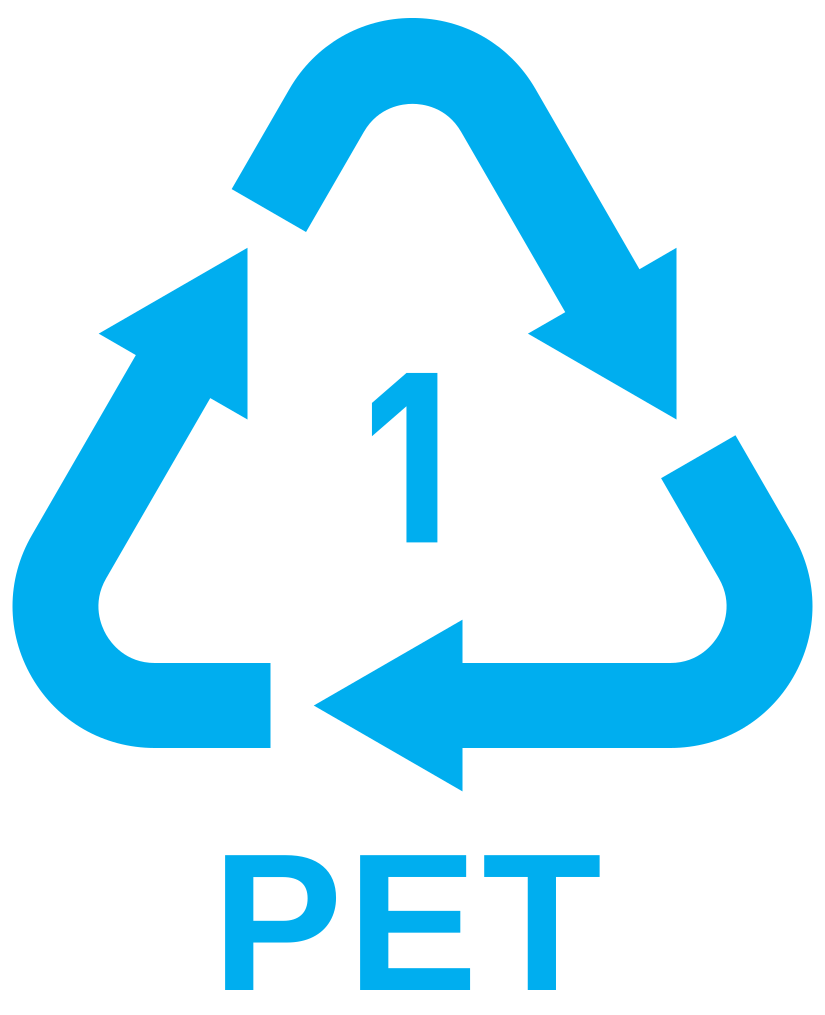
Clear, lightweight, slightly flexible bottles that hold a shape. This is what most drink bottles are made from.


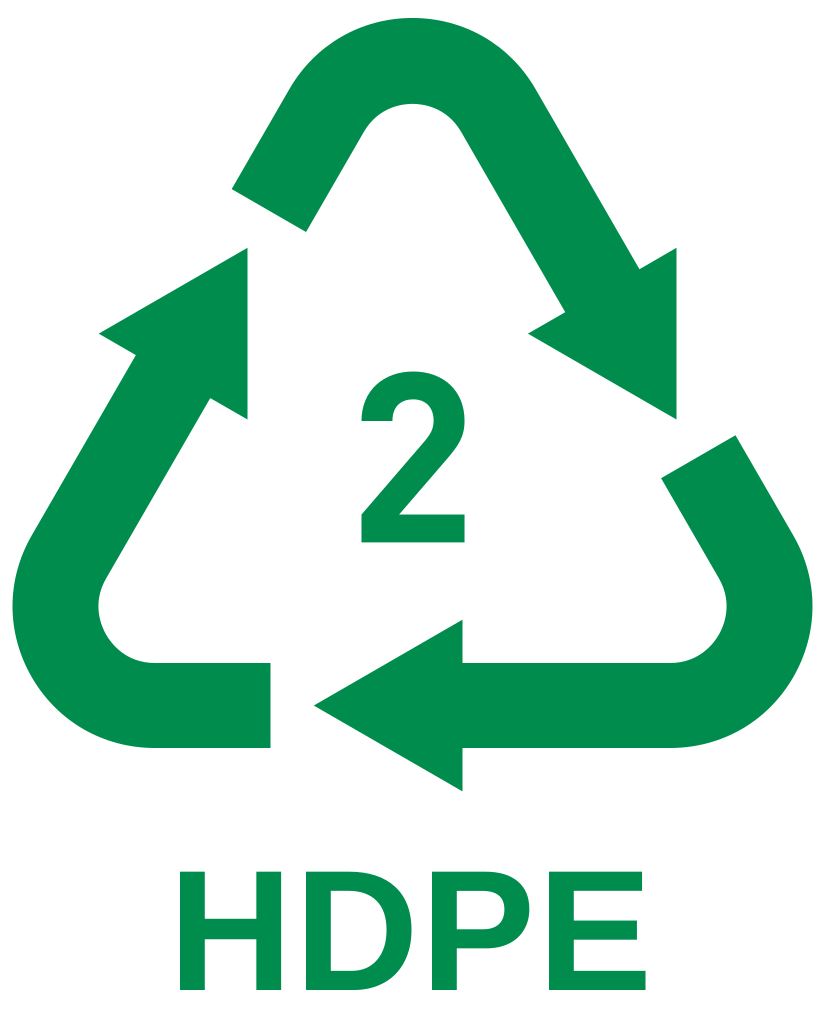
Thicker, stiffer and usually cloudy or solid-coloured rather than see-through. Most household and cleaning bottles are made of this.


Not every location is the same. Here's what to expect at each one, so you turn up at the right place with the right load.

The blue RPJ cages you see at supermarkets, service stations, beaches, craft markets and community parks. This is the front line of the network and the closest option for most people.


Staffed sites where your bottles are weighed or counted and you are paid under the Deposit Return Scheme. This is where recycling stops being a chore and starts being income.

Use the search bar, browse the full list or zoom into your area to find the drop-off point closest to you. Tap Get Directions to open the route in Google Maps to your chosen location.
Clean, separated material moves through the system faster. Check for a 1 or a 2 on the base, then sort it out before it leaves your house.

Pour out any liquid. Bottles with drink left in them attract pests and spoil the load around them.

A quick rinse with water is enough. No scrubbing, no soap required.

Squash the bottle flat and put the cap back on. You'll fit three times as much in the same bag, and in the cage.

Keep plastic bottles separate from other waste, then drop them at your nearest cage, centre or depot.
A cage is an unstaffed blue drop-off container hosted at a supermarket, service station, beach or community site. It is free to use and no payment is given. A collection centre is a staffed RPJ site where your bottles are counted or weighed and you are paid under the Deposit Return Scheme. If you want money for your bottles, go to a collection centre or depot.
No. Cages do not operate the Deposit Return Scheme. They exist to make recycling convenient, not to pay out. To be paid, register as a recycler and take your bottles to a depot or collection centre.
Two plastics: PET (1), such as water, soft drink, juice, sports drink and cooking oil bottles, and HDPE (2), such as milk, bleach, detergent, shampoo, household cleaner and motor oil bottles. Check the small triangle moulded into the base of the container. Empty, rinse and crush them first. Please keep glass, metal, cardboard, styrofoam and general household garbage out of the cages; contamination slows the whole system down.
Look at the triangle on the bottom of the bottle. A 1 is PET: clear, thin and see-through, like a water or soda bottle. A 2 is HDPE: thicker, stiffer and usually cloudy or solid-coloured, like a bleach or shampoo bottle. Both are accepted at every RPJ location, so you don't need to separate them from each other.
A depot is a regional processing hub operated by Recycling Partners of Jamaica. It receives loads emptied from the cages across the parish as well as bulk vendor deliveries, then sorts and bales the material for onward reprocessing. Collection centres are focused on receiving and paying for material from the public. Depots handle scale.
Yes, and this is how the network grows. Supermarkets, service stations, schools, churches, hotels, sports clubs and community groups all host cages. Get in touch to discuss placement and collection frequency.

